Today, the Amsterdam Food Bank supports an average of 1,800 households, representing approximately 4,600 people each week, ensuring regular access to essential food products for families living below the poverty line.
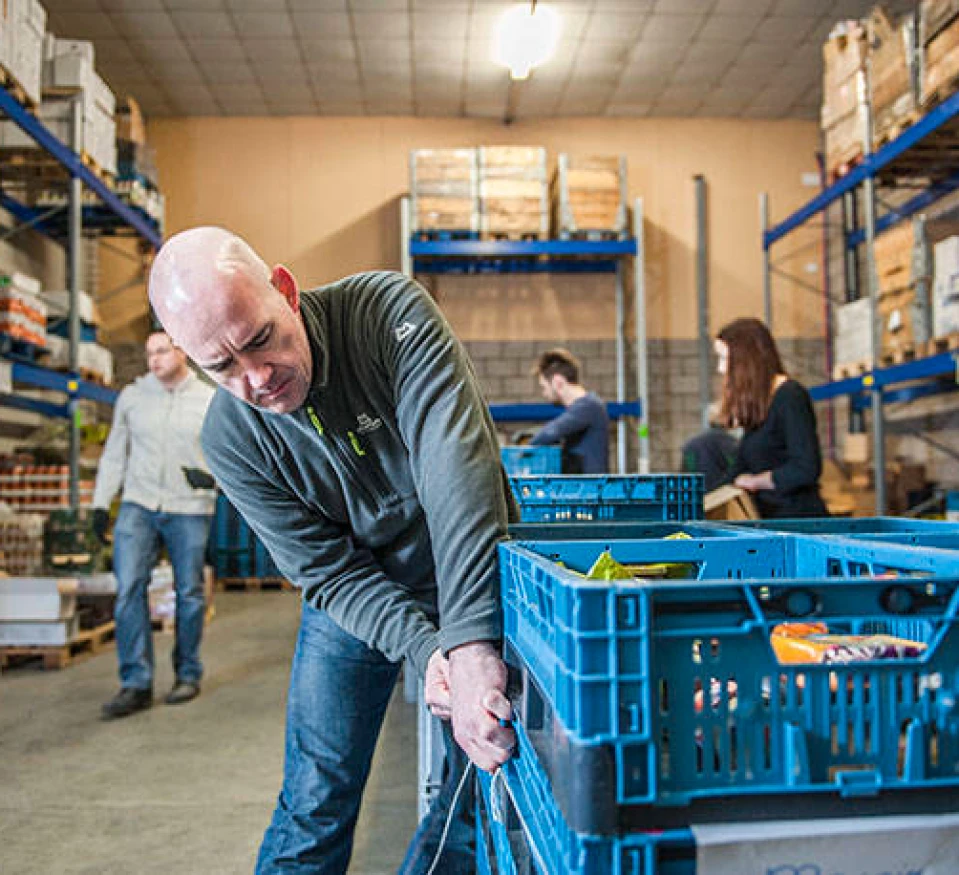
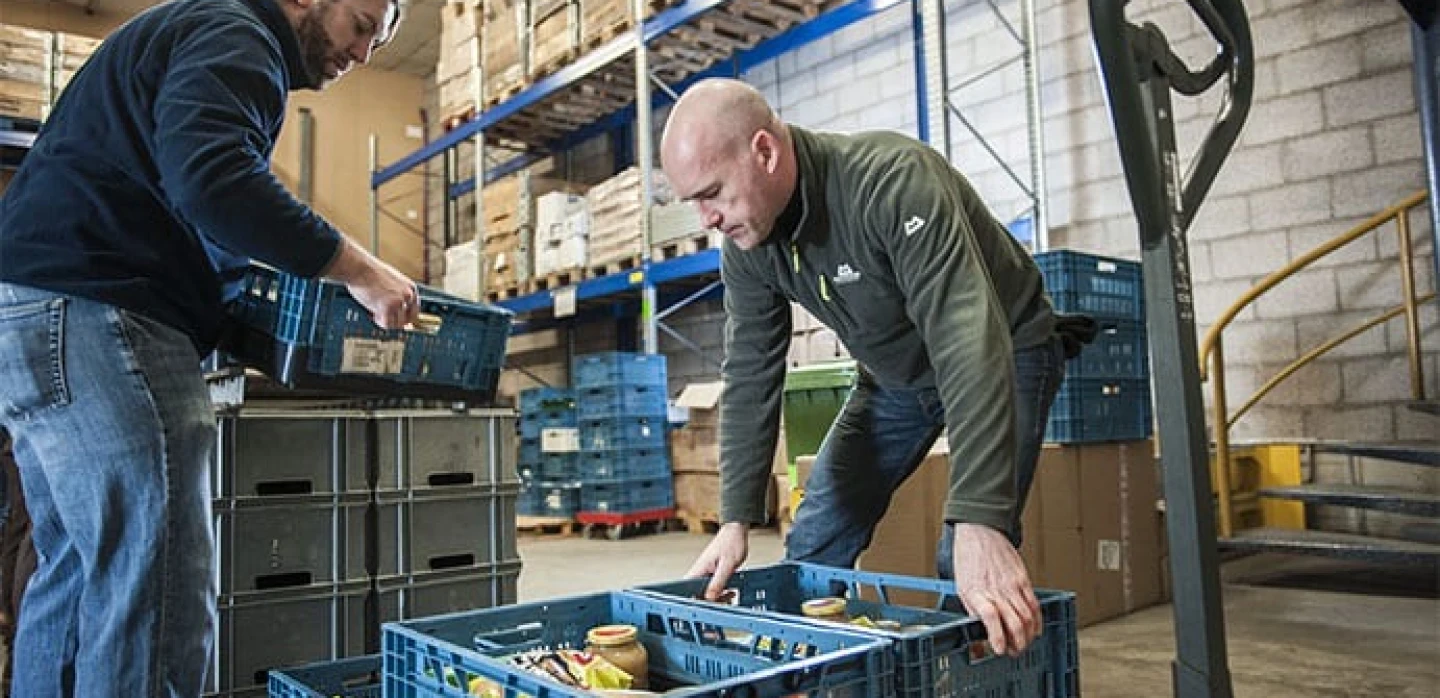
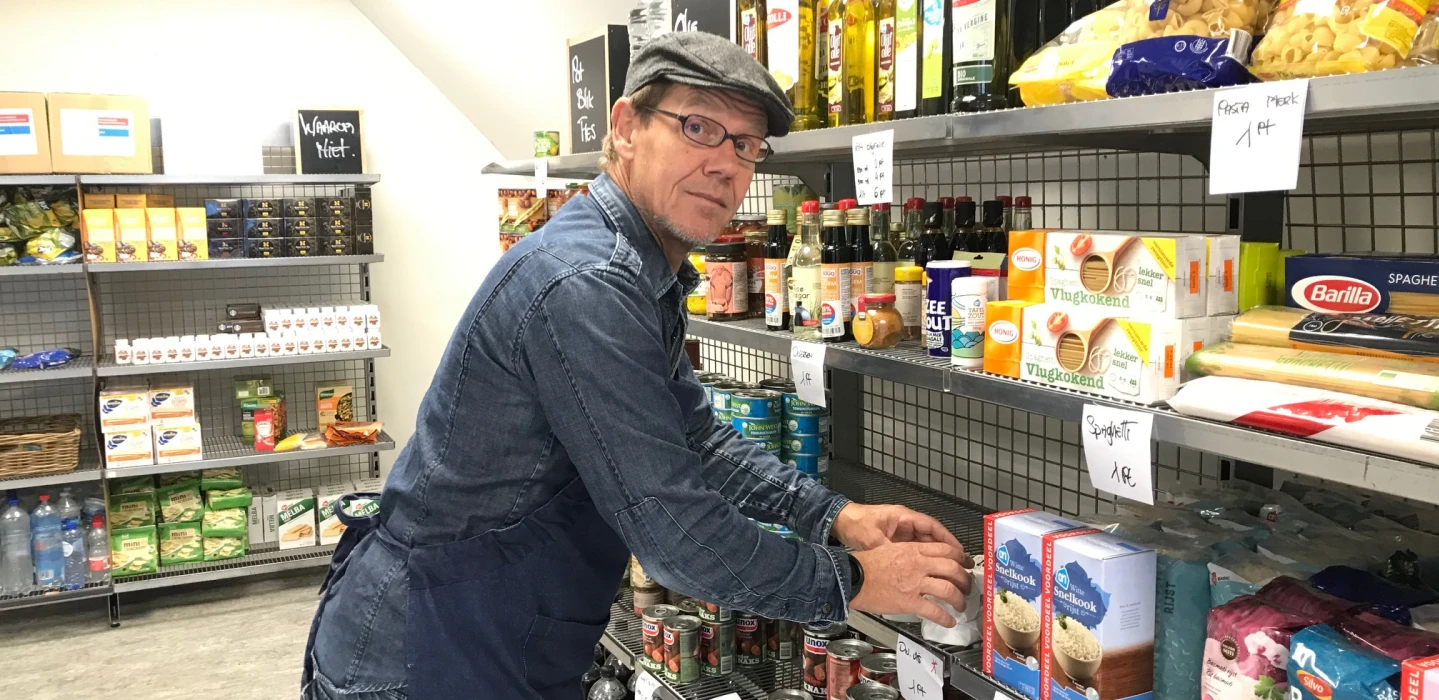
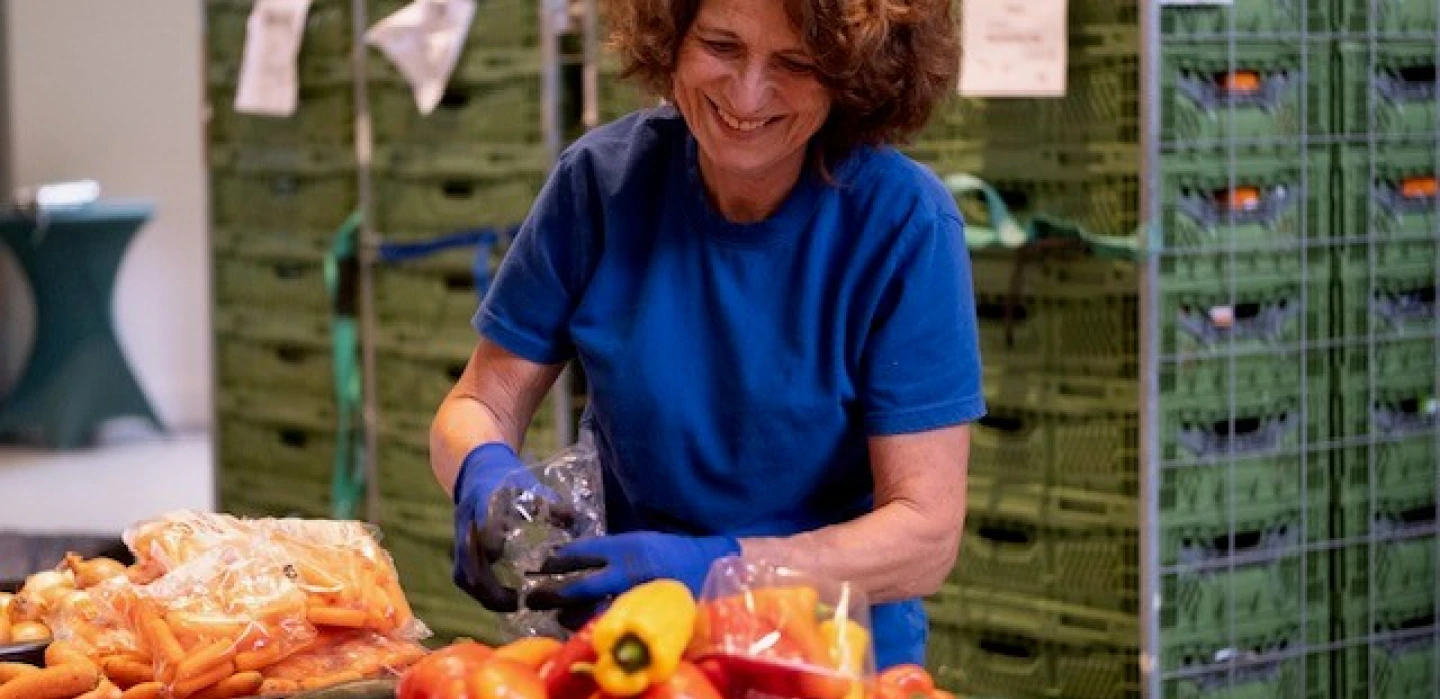
Established in 2005, the Amsterdam Food Bank’s mission is to provide food assistance to people who are temporarily unable to meet their basic needs. The organisation operates exclusively through food donations and the commitment of volunteers, distributing food in accordance with the principles of neutrality and independence.
Today, it supports an average of 1,800 households, representing approximately 4,600 people each week, ensuring regular access to essential food products for families living below the poverty line.
Its supply model is now under increasing pressure, with declining quantities, reduced variety and, in some cases, lower-quality food donations. At the same time, the number of beneficiaries increased by 14% from January 2025, placing further strain on available resources.
In response, the Amsterdam Food Bank must regularly supplement donated food with targeted purchases, particularly for products that have become less readily available through donations, such as dairy products, meat, fish, and seasonal fruit and vegetables.
At the same time, the organisation must adapt its operations to meet the environmental requirements set by the Municipality of Amsterdam, which mandates emission-free logistics by 2030. The gradual transition of its fleet to electric vehicles is therefore a strategic priority to ensure operational continuity while complying with these standards.
In this context, the project "Strengthening food aid through food procurement and logistical support for distribution operations" seeks to secure complementary food supplies while reinforcing the logistical capacity of distribution programmes. These two closely interconnected components are essential to ensuring uninterrupted access to food assistance and helping to reduce the environmental footprint of distribution operations.