This project is expected to have a significant impact: a 30% increase in the amount of food saved, a 20% rise in the number of beneficiaries supported, and a 4% reduction in food waste, transitioning from 5% to just 1%.
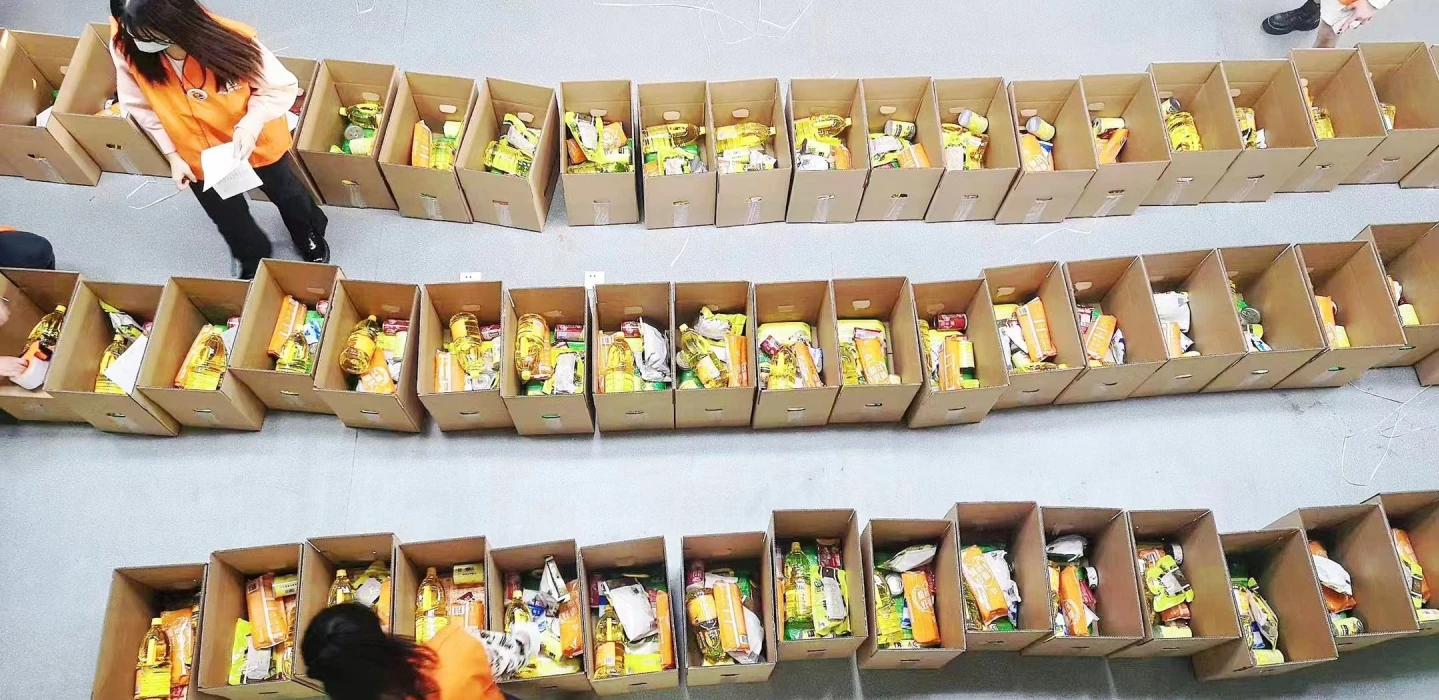
Green Food Bank, a partner of the Audemars Piguet Foundation for Common Good since 2024, is currently facing a number of operational challenges. On the one hand, its storage capacity is no longer sufficient to absorb the 30% annual rise in food donations it receives. On the other hand, the lack of a professional logistics team limits distribution quality and efficiency, particularly in rural areas. In addition, the increase in the number of partners – now almost 350 – is causing a rise in the operating costs associated with food safety. Finally, a lack of staff in warehouse management contributes to a 5% food waste rate.
To meet these challenges, the Foundation is supporting Green Food Bank’s strategy to strengthen its storage capacity in four key areas:
- Warehouse extension: construction of a 500 m² storage centre with a refrigerated area that complies with safety standards to facilitate food rotation and eliminate space constraints.
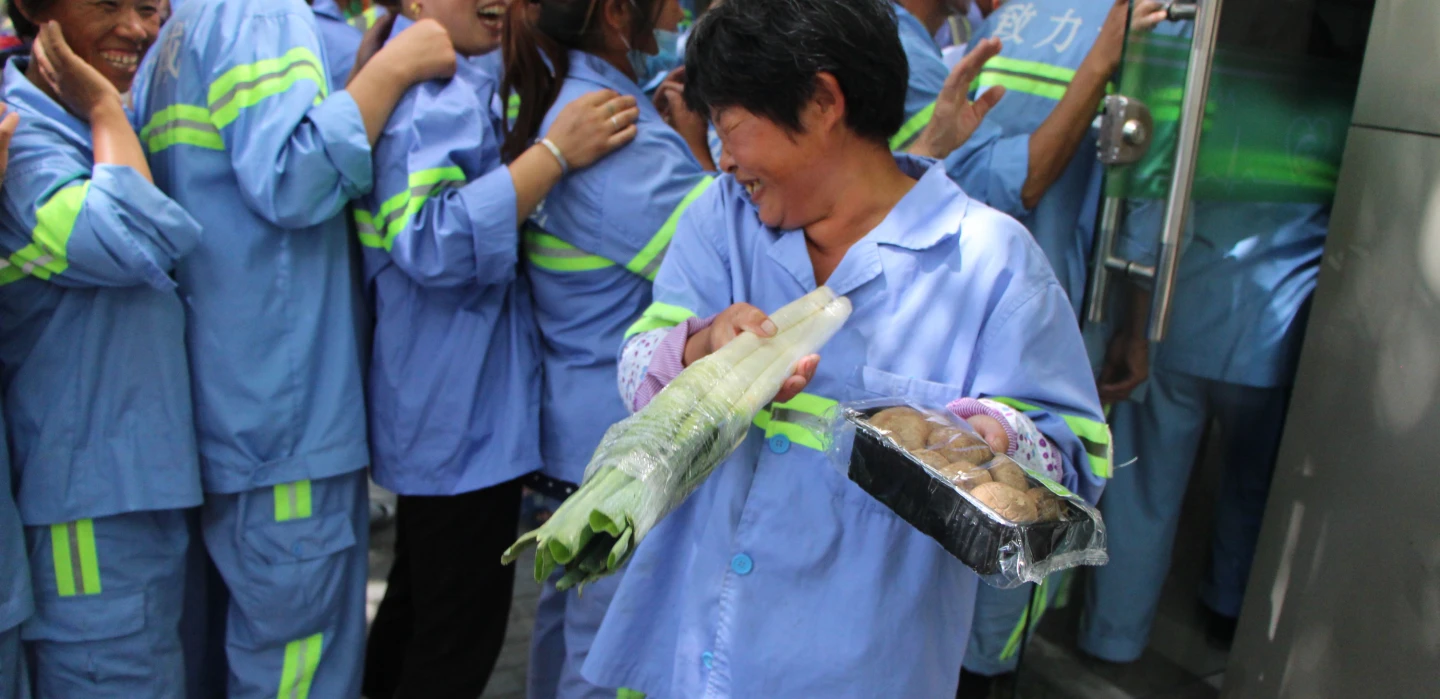
- Strengthened human resources: recruitment of a warehouse manager and a driver to improve logistics and extend Green Food Bank’s action to the outskirts of Shanghai and peri-urban areas, thus covering 20 new communities.
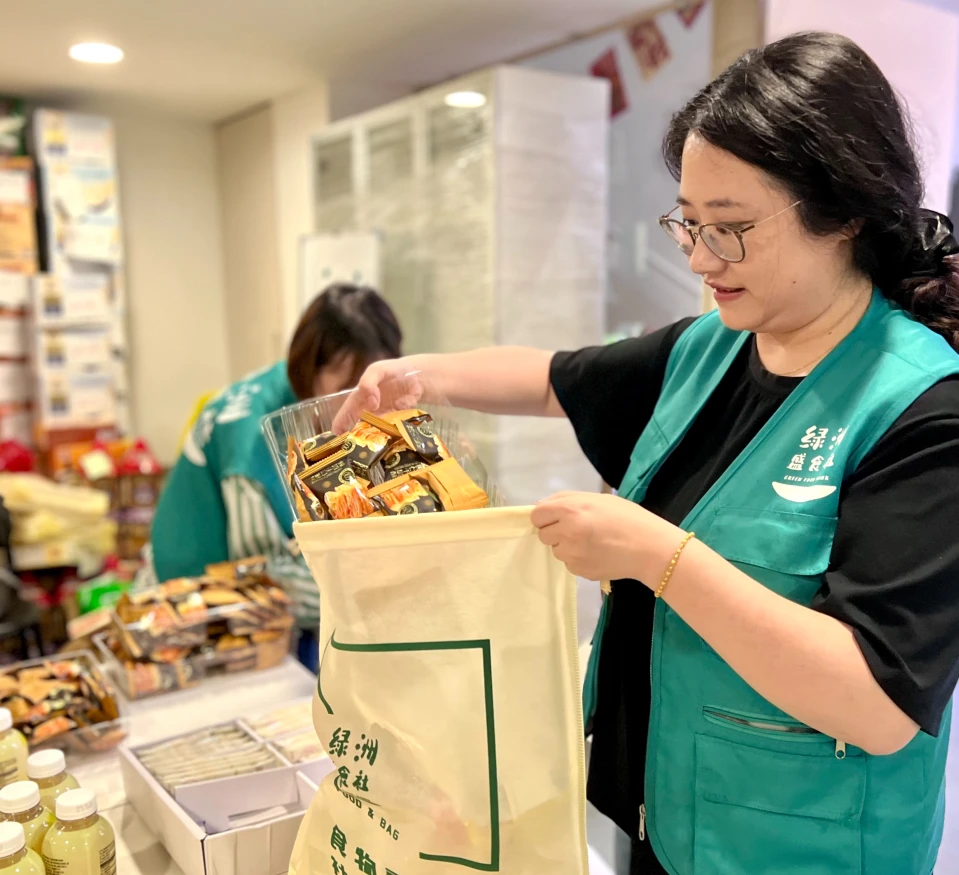
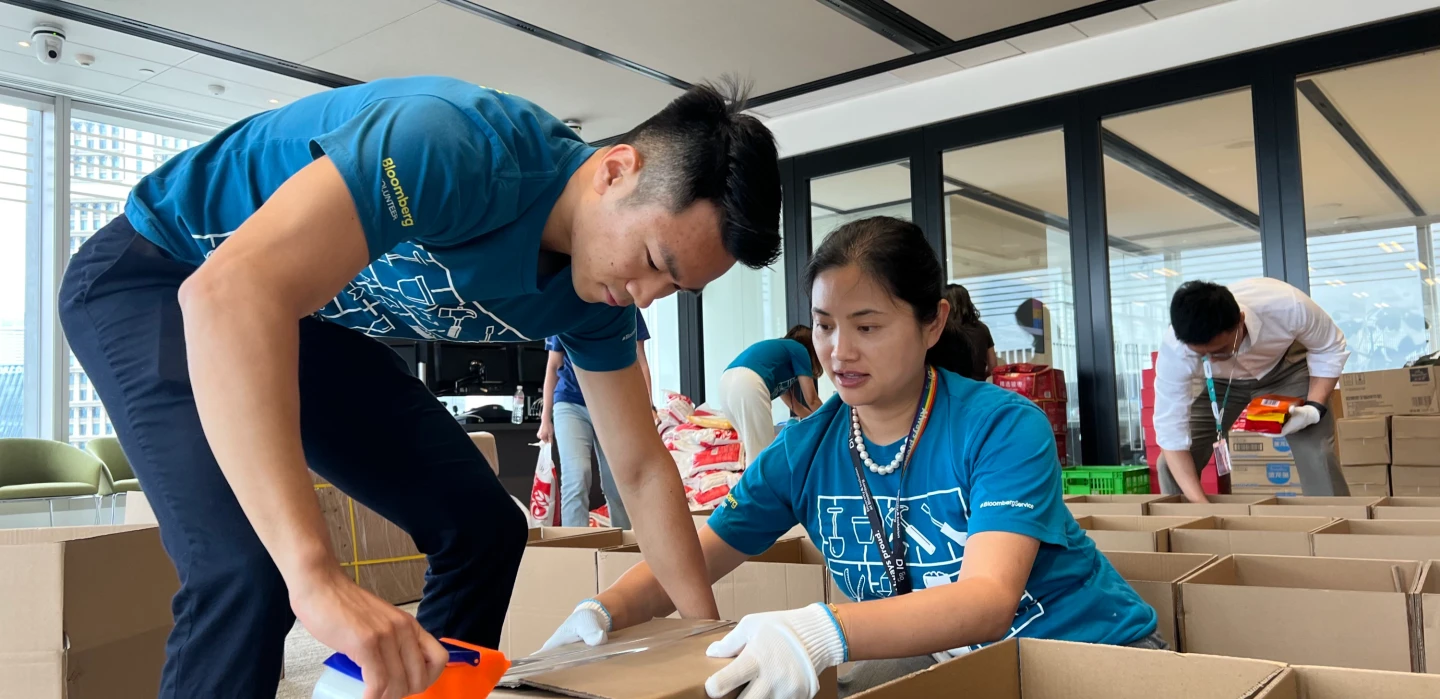
- Capacity development: creation of a digital platform to optimise the distribution of food bags and training volunteers to reduce costs and ensure the model’s sustainability.
- Purchase of a lorry: replacement of the current vehicle to increase transport capacity and speed up deliveries.
This is expected to have a significant impact: a 30% increase in the amount of food saved, a 20% rise in the number of beneficiaries supported, and a 4% reduction in food waste, transitioning from 5% to just 1%.
Indirectly, improving logistics and service quality will enhance Green Food Bank’s reputation and attract more donors and volunteers. Digitalisation and the upskilling of local teams will contribute to a more efficient, sustainable and economically viable model.