With the rise of artificial intelligence, social media and information overload, it is essential to teach young people to think for themselves. Developing critical and rational thinking has become an educational priority. Indeed, according to the OECD, it is the most important skill of the 21st century.
Today, many young people find it difficult to understand and master the scientific process of learning to think, formulating a problem, experimenting, deducing and synthesising. Many also struggle to use hand-held tools or simple measuring instruments, and to coordinate the "intelligence of the hand and the brain".
Educational and careers guidance is another major challenge, particularly for technical and scientific professions, regardless of level or academic performance.
With the rise of artificial intelligence, social media and information overload, it is essential to teach young people to think for themselves. Developing critical and rational thinking has become an educational priority. Indeed, according to the OECD, it is the most important skill of the 21st century.
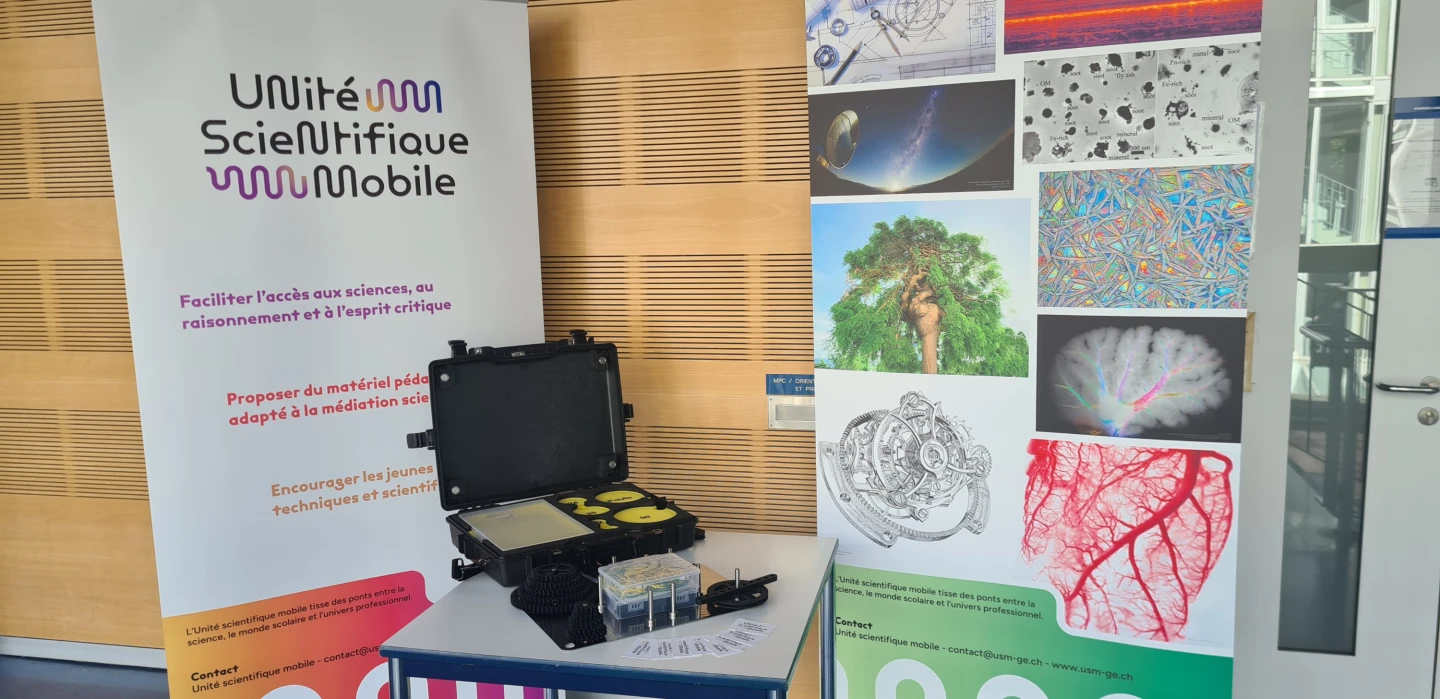
For the association Unité scientifique mobile, the scientific process is one of the most effective ways of stimulating critical thinking. It teaches students to reason, to ask the right questions and to verify their ideas with facts. This method is based on three key principles: objective questioning, verification of evidence and experimentation. These principles are at the heart of the two science outreach initiatives proposed by the organisation:
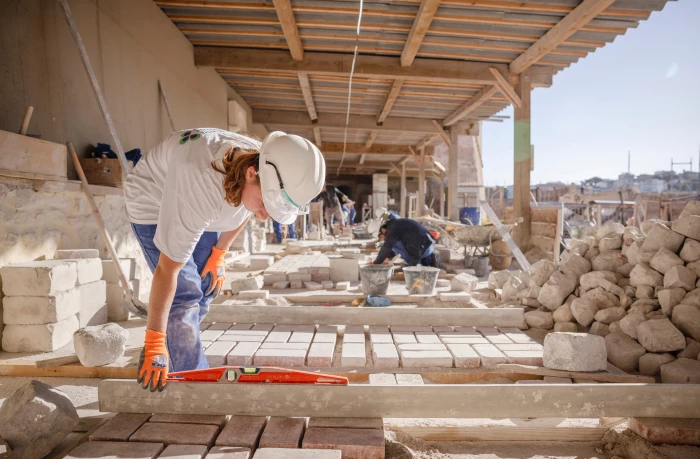
1. Histoire-Métiers ("stories of professions") project: creation of an interactive stand focusing on technical professions (watchmaking, industrial mechatronics, construction). Presented at careers events, it will introduce young people to technical skills through hands-on workshops run by outreach trainers and apprentices.
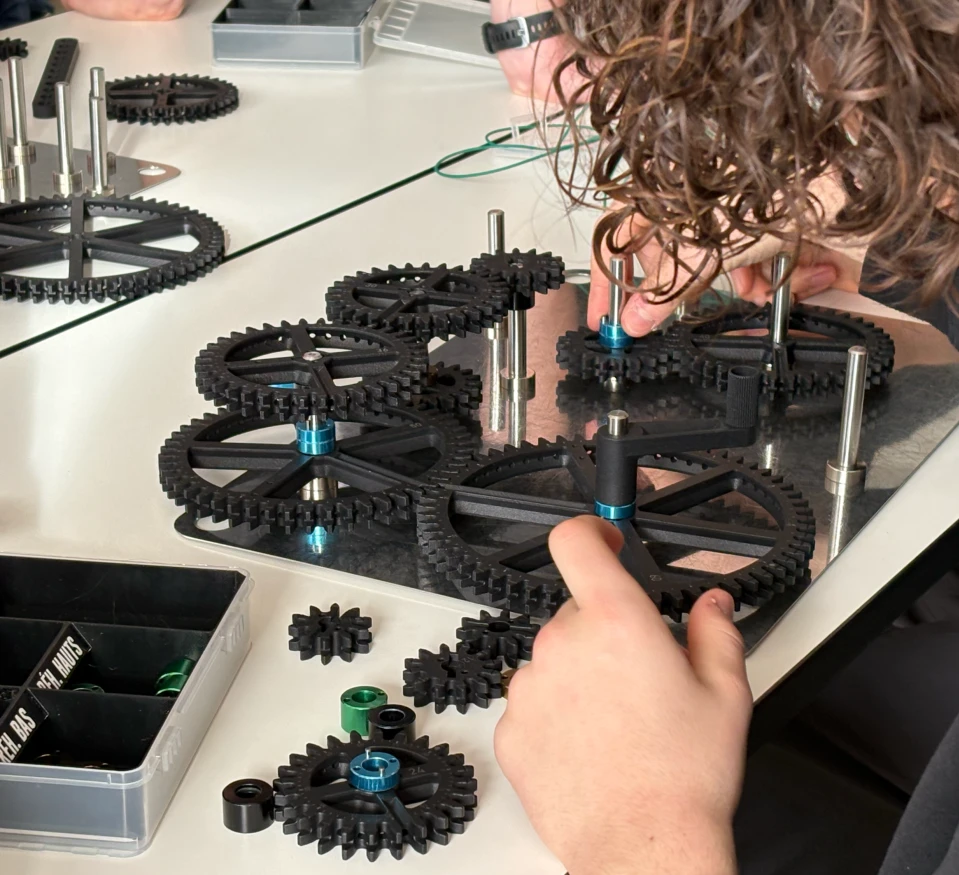
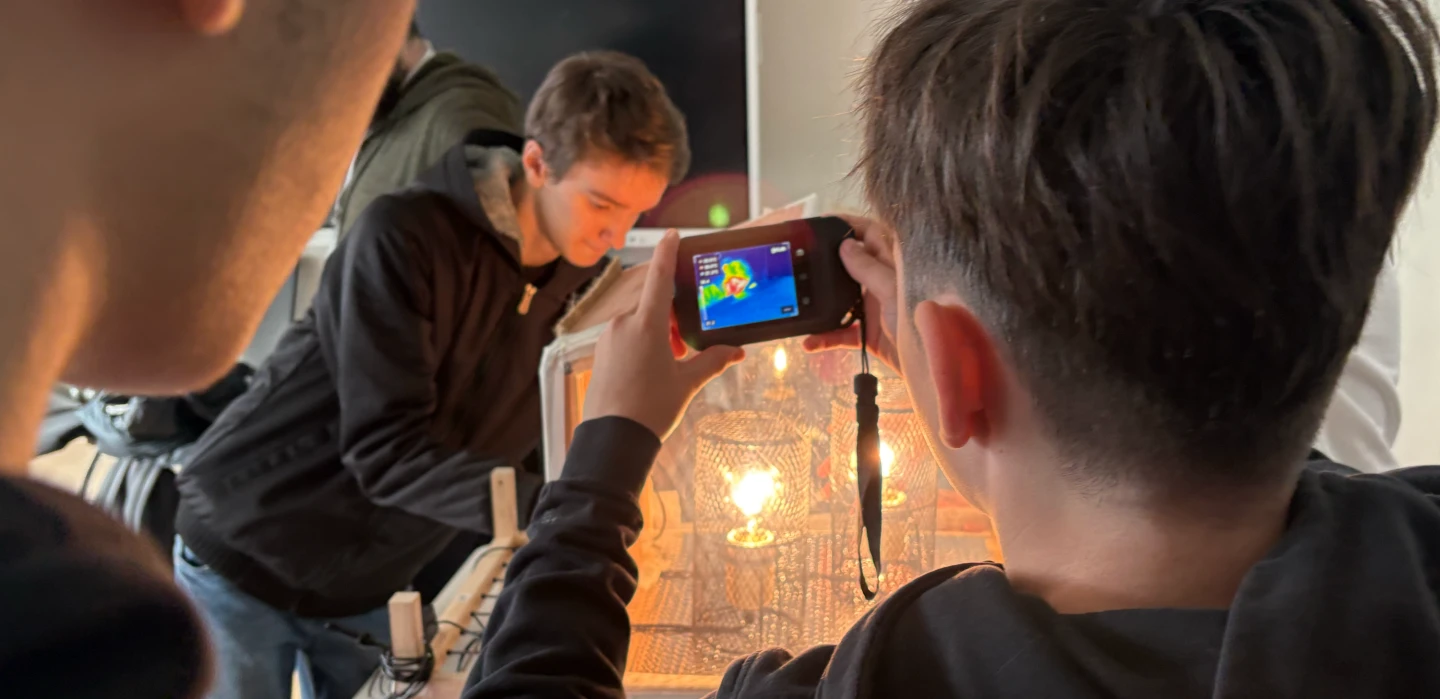
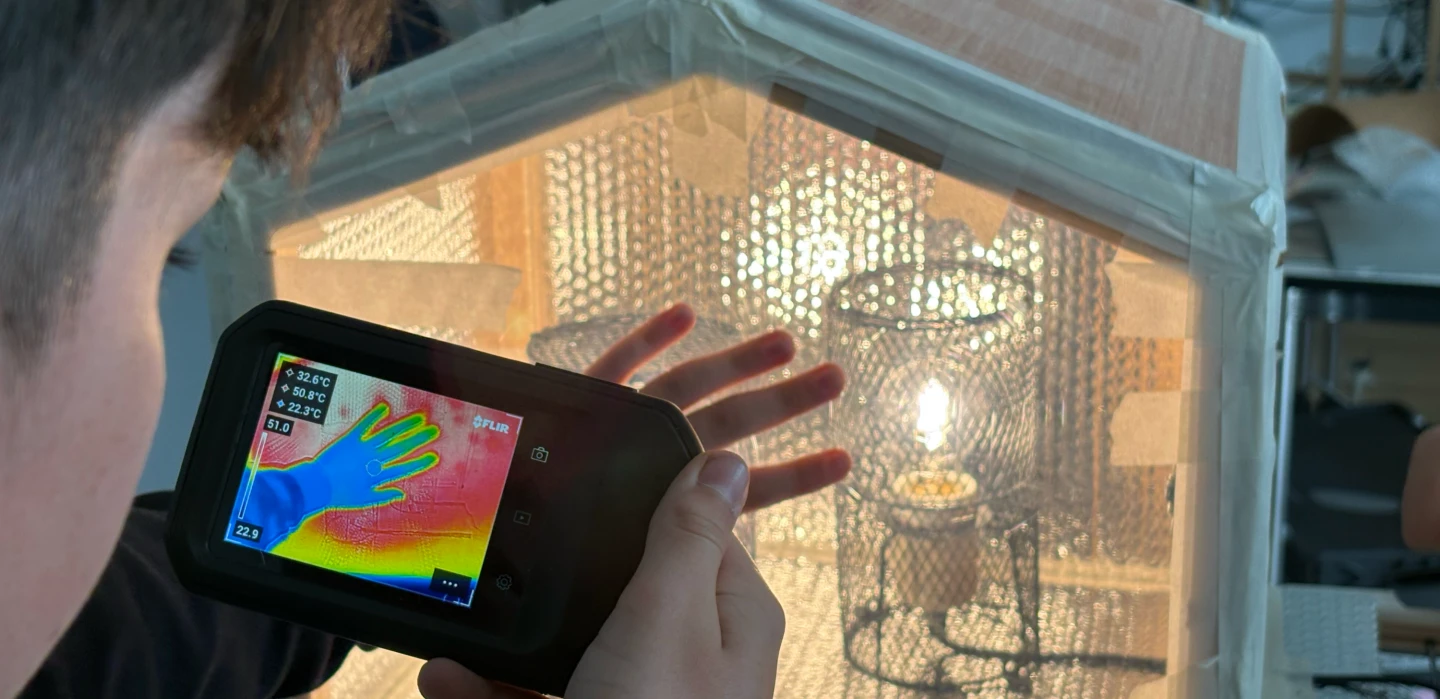
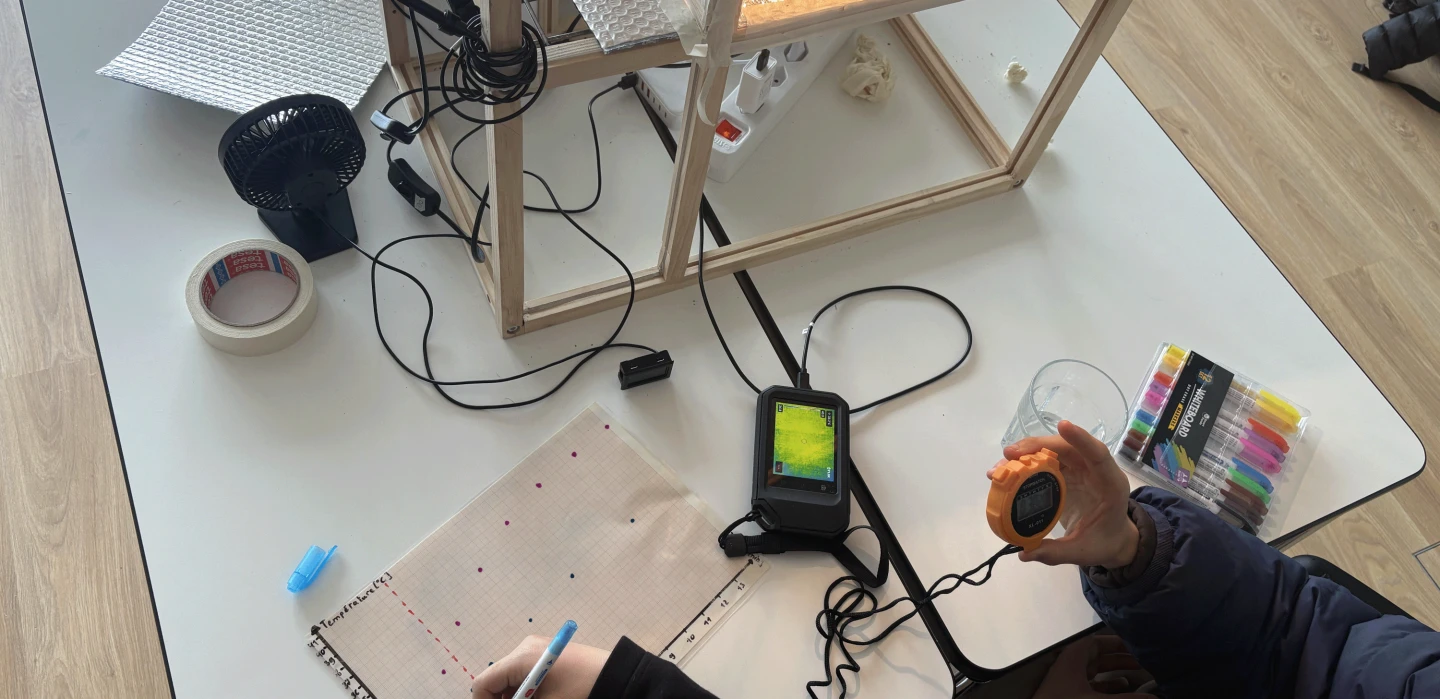
2. Engrenages ("gears") project: holding immersive workshops on various topics related to energy, mechanics, and information coding. These workshops introduce young people to the scientific process through hands-on experimentation, and train teachers in methods that encourage critical thinking, collaboration, problem-solving and the use of technical tools.
Thanks to these scientific outreach initiatives, young people can rediscover the pleasure of experimenting, creating and understanding phenomena by constructing their own models, exchanging ideas with their peers and facilitators, and forging links with a future career path. These activities also develop their ability to question, analyse and implement the experimental process on a daily basis. By learning to formulate hypotheses, test ideas, interpret results and discuss conclusions, young people acquire concrete tools characteristic of the scientific approach to better understand their environment, look at the big picture and develop a well-founded view of the information they receive.